Series 17: Iron
Iron is the mineral most often discussed in terms of “how much”, but the research keeps pointing to a different question: how much of it do we absorb? The same amount of iron can be absorbed very differently depending on its form, the rest of the meal and the person eating it.
What iron does
According to the NIH Office of Dietary Supplements, iron is a component of haemoglobin, which carries oxygen from the lungs to the tissues, and of myoglobin, which supports muscle metabolism and connective tissue. It is also needed for growth, neurological development, cellular function and the synthesis of some hormones.
How much do we need?
The NHS gives UK reference amounts of 8.7 mg a day for men aged 19 and over and 14.8 mg for women aged 19 to 49. Women over 50 need 8.7 mg, although those who still have periods may need the higher amount. In the US, the recommended allowance is 8 mg for adult men, 18 mg for women aged 19 to 50 and 8 mg for women over 51. It is 27 mg in pregnancy.
Two forms, two stories
Dietary iron comes in two forms. Haem iron, found in meat, poultry and fish, makes up around 10 to 15% of intake in Western populations and is absorbed efficiently. Non-haem iron is the only form in plant foods, and it is more sensitive to what else is in the meal.
The NIH estimates iron bioavailability at about 14 to 18% for mixed diets that include meat, seafood and vitamin C, and about 5 to 12% for vegetarian diets. For this reason, the NIH states that the requirement for vegetarians is 1.8 times higher than for people who eat animal products.
- Enhancers: vitamin C (ascorbic acid), and meat, poultry and seafood, increase non-haem absorption.
- Inhibitors: phytate (found in grains and beans) and certain polyphenols (found in cereals, legumes and some vegetables). Calcium may reduce absorption of both forms of iron, although the NIH notes this is not definitively established.
One qualification matters. The NIH notes that in a typical Western diet these enhancer and inhibitor effects are attenuated and have little effect on most people's iron status. They matter more where a diet is restricted or iron intake is already marginal.
Our ingredients and iron
The NIH food table gives few values for the seeds and nuts we work with, so this section is mostly about context.
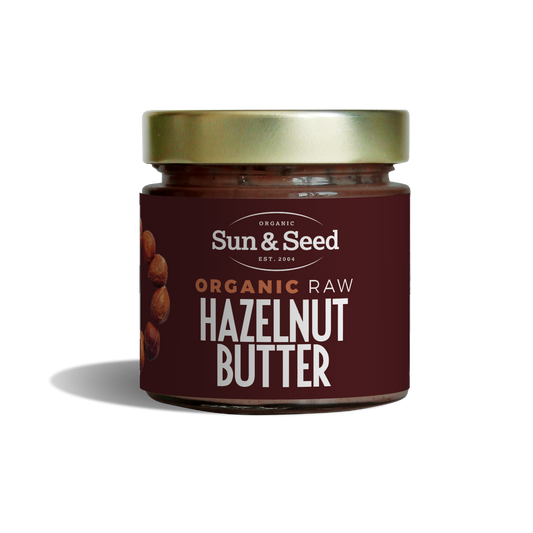
Cashews. The NIH lists oil-roasted cashews at 2 mg of iron per 28 g, about a quarter of the adult male allowance of 8 mg. Raw cashew butter is made from cashews, though the figure applies to the roasted nuts in the table, not to our product.
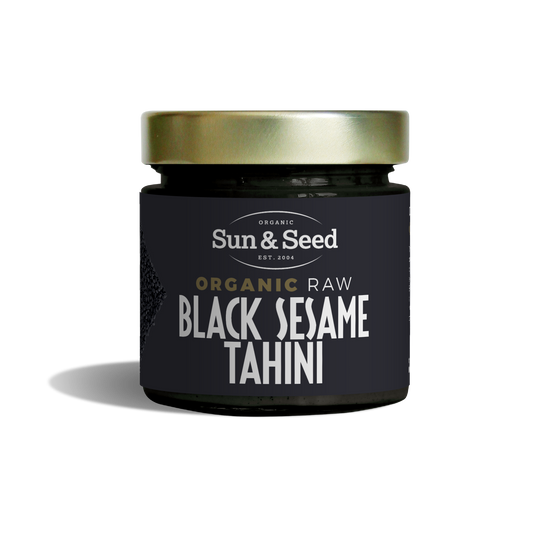
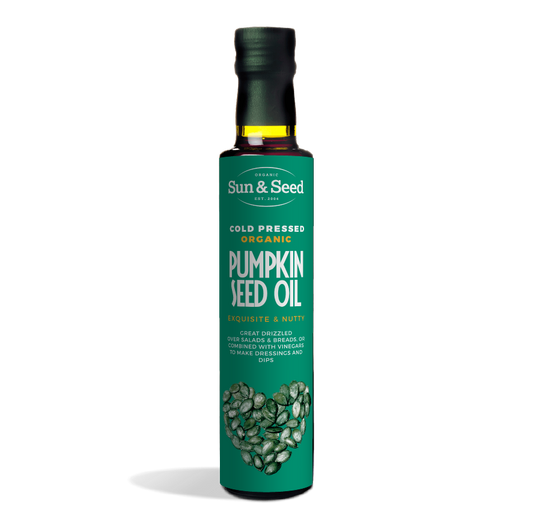
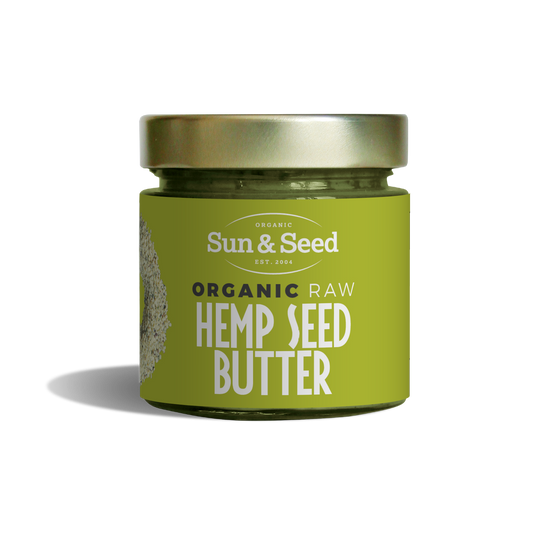
Seeds and tahini. Pumpkin seed butter, raw white sesame tahini, raw black sesame tahini, hulled hemp seeds and sunflower seed butter are not in the NIH iron table, so no values are quoted.
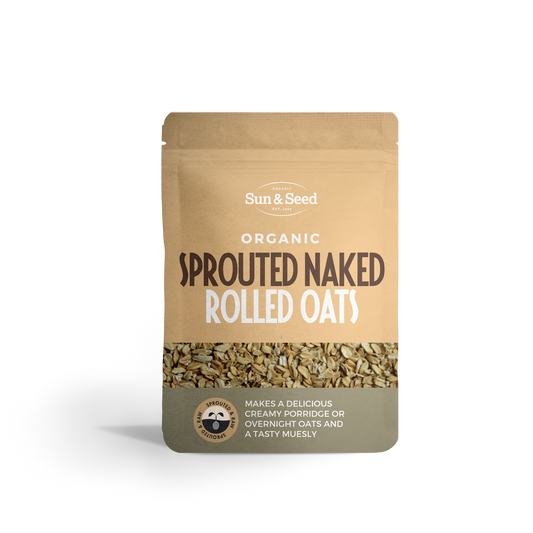
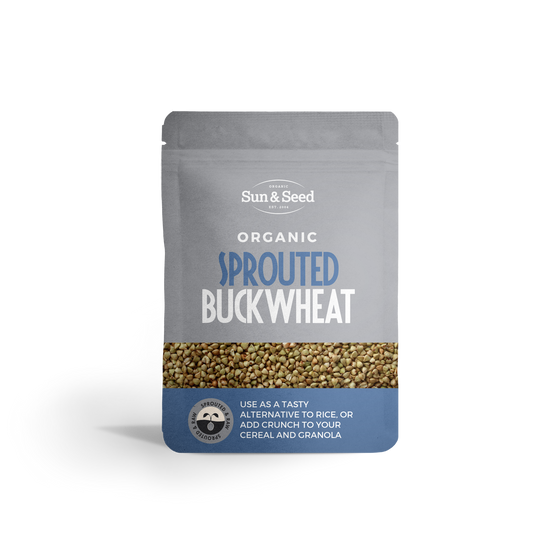
Grains. Sprouted buckwheat and sprouted rolled naked oats are grains, and the NIH lists phytate in grains as an inhibitor of non-haem iron absorption. The NIH does not say how sprouting changes iron absorption, so no claim is made. Our article on sprouted seeds looks at that evidence.
The NHS lists beans, nuts, dried fruit, fortified breakfast cereals and soy bean flour among plant sources. Vitamin C-containing foods eaten with plant sources of iron are the NIH's named enhancer, for example fruit alongside a seed or nut breakfast.
None of this is a claim about the iron content of our products. For the amount in any food, check the pack.
Who is most at risk of low iron?
The NIH identifies these groups:
- Pregnant women.
- Infants and young children, especially those born preterm or at low birthweight.
- Women with heavy menstrual bleeding.
- Frequent blood donors.
- People with gastrointestinal disorders or surgery, and people with cancer.
- People with heart failure, about 60% of whom are iron deficient.
The NHS adds that women who lose a lot of blood during periods may need supplements and should speak to a GP or registered dietitian.
What the research says about consequences
Iron-deficiency anaemia is associated with impaired cognitive function, and in infants it can cause delayed attention and social withdrawal, some of which may be irreversible, according to the NIH. In people with heart failure, iron deficiency measured by objective markers was linked to a higher risk of heart transplantation and death, independent of anaemia. However, an NHANES analysis of self-reported heart failure found no association with mortality. The NIH makes no claims about iron and heart disease in the general population.
Too much of a good thing
Iron is one mineral where more is not better. The NIH sets an upper limit of 45 mg a day for adults, and supplements of 25 mg or more can reduce zinc absorption. The NHS says 17 mg or less a day from supplements is unlikely to cause harm, and that doses over 20 mg can cause constipation, nausea, vomiting and stomach pain. Very high doses can be fatal, particularly for children, so supplements should be kept out of reach. People with hereditary haemochromatosis are at risk of iron overload and should not supplement without medical advice.
Authorised health claims
Under GB nutrition and health claims rules, iron has authorised claims. Iron contributes to normal cognitive function, to normal energy-yielding metabolism, to normal formation of red blood cells and haemoglobin, to normal oxygen transport in the body, to the normal function of the immune system, to the reduction of tiredness and fatigue and to the process of cell division. A food can only carry these claims if it meets the conditions of use set out in the rules.
Editorial note
This article summarises published research and reference data for general information. It is not medical advice. Iron needs vary widely and both too little and too much can be harmful. Anyone who suspects low iron, or who is considering supplements, should speak to a GP before taking them.
References
- National Institutes of Health, Office of Dietary Supplements. Iron: Fact Sheet for Health Professionals.
- NHS. Vitamins and minerals: Iron.