
Pumpkin seed protein is one of the few protein powders that is simply a food: one ingredient, organic pumpkin seeds, with nothing added. It is deep green, nutty and earthy, and it behaves very differently from the sweetened, flavoured powders many people expect. Here is how it is made, what it tastes like, and how to get the best from it in the kitchen.
How is it made?

The organic pumpkin seeds are gently cold-pressed to remove much of their natural oil, which leaves a protein-rich seed cake. That cake is ground into a fine powder. No flavours, sweeteners or fillers are added, and the only ingredient is 100% organic pumpkin seeds.
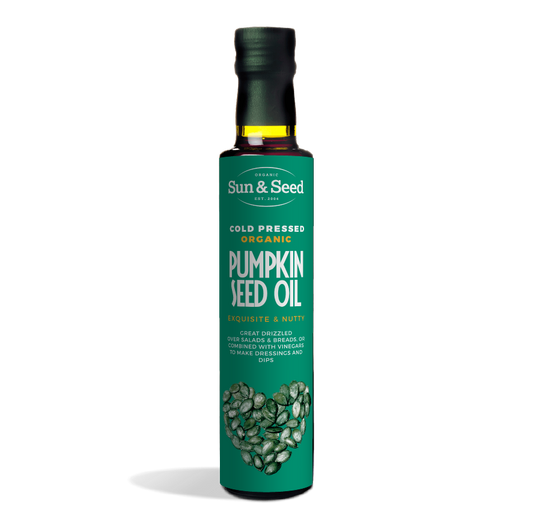
This is the same logic behind pumpkin seed oil: press the oil out, and what remains is concentrated in protein. A published analysis of the cake left over from pumpkin seed oil production reports a protein content of 60 to 65%. Our powder, at up to 63g of protein per 100g, sits squarely in that range. The fat that remains is modest (6.7g per 100g on our nutrition panel, compared with 51g in our pumpkin seed butters, which use the whole seed).
Why is it green?
The colour comes from the seeds themselves. Oil pumpkins grown for their kernels often have hull-less seeds whose seed coat is thin and membranous rather than woody, and the kernels show through as olive to dark green. Nothing is added to colour the powder, so expect a green tint in whatever you cook with it, from pale in a smoothie to vivid in pancakes.
What does it taste like?
Nutty and earthy, closer to toasted seeds and leafy greens than to anything sweet. It works in sweet and savoury cooking alike because it is not trying to taste of vanilla or chocolate. In Mexico, ground pumpkin seeds are the base of pipián sauces and pepita-based green moles, which is a good hint that the flavour sits happily with chilli, coriander, tomatillos and lime as well as with banana and oats.
An old seed in a new form
Pumpkin seeds were eaten long before pumpkins were farmed for their flesh. Squash (Cucurbita pepo, the species that includes most pumpkins) was domesticated in Mexico: a domesticated seed from Guilá Naquitz cave in Oaxaca has been directly dated to roughly 10,000 years ago. Selection for seed use favoured larger seeds first, and larger fruit followed. A powder made from pressed seeds is a modern way to use a very old food.
Keeping it fresh
It is a seed product, so treat it like any other. Keep the pouch closed, cool and dry, and away from sunlight and steam from the kettle or hob.
How to use it
- Smoothies: blend with banana, berries, plant milk and a spoonful of nut butter. Banana and cocoa soften the earthiness.
- Breakfast: stir into porridge or overnight oats, or make the pancakes below.
- Baking: replace a small share of the flour in muffins, bars, breads and crackers. Start with roughly a tenth of the flour weight and add a little extra liquid, because the powder is dry and absorbent.
- Savoury: whisk into soups and sauces off the heat, or work into pasta dough.
Add it gradually the first time. A tablespoon or two is plenty to learn the flavour before you build up.
Recipe: Green Pumpkin Seed Protein Pancakes

Dairy-free and egg-free, with greens blended into the batter.
Ingredients
- 1 ripe banana
- 2 flax eggs (2 tbsp milled flax seeds stirred into 6 tbsp water and left for 5 minutes)
- 40g Sun & Seed Organic Pumpkin Seed Protein
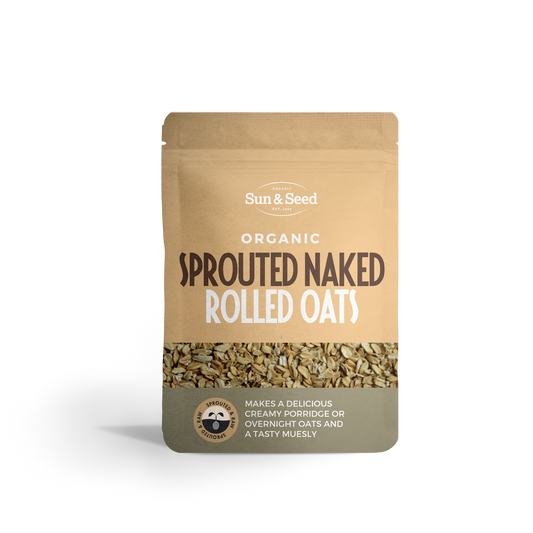
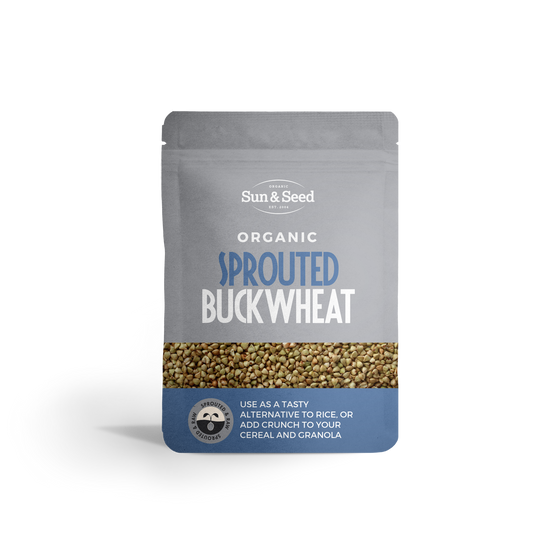
- 50g Sprouted Naked Rolled Oats
- A handful of kale
- 1 tsp baking powder
- 2 to 3 tbsp oat milk
Method
- Blend everything until smooth, adding the oat milk a spoonful at a time until the batter is thick but pourable.
- Leave it to stand for 5 minutes so the oats and flax can thicken it.
- Heat a lightly oiled frying pan over a medium heat and pour in small pancakes.
- Cook for 2 to 3 minutes on each side, until golden and set.
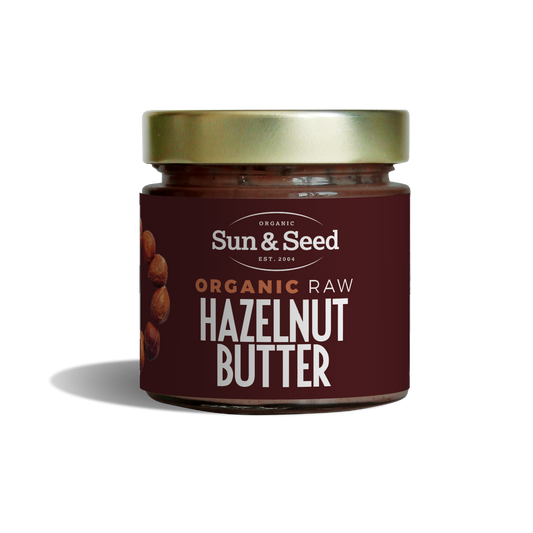
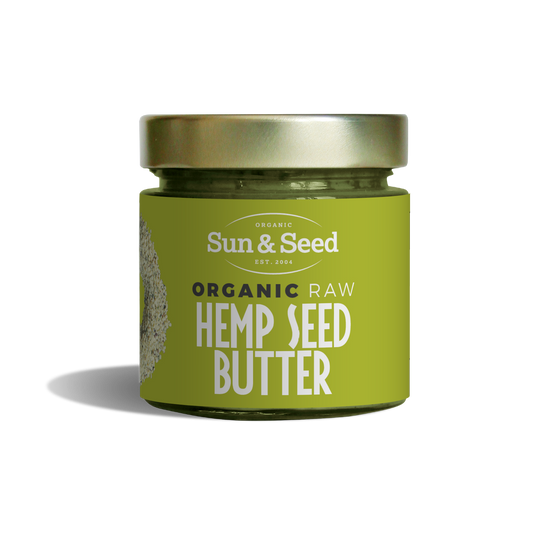
- Serve with avocado, fresh herbs and a squeeze of lemon, or a spoonful of Sun & Seed Pumpkin Seed Butter.
Good to know
- Ingredients: 100% organic pumpkin seeds.
- Store in a cool, dry place with the pouch tightly closed. Suitable for vegans and vegetarians.


Sources
- Habib et al. (2025), Physicochemical and functional characterization of pumpkin seed protein isolate, Sustainable Food Technology
- Product specification, Steirisches Kürbiskernöl g.g.A. (seed coat and colour)
- Andres (2000), An Overview of the Oil Pumpkin, Cucurbit Genetics Cooperative
- Piperno and Flannery (2001), Guilá Naquitz cave dating, PNAS
- Mexico News Daily, Pepitas are the secret foundation of many classic Mexican dishes