Sun & Seed Nutrition Science Library · Series 5: Antioxidants and Polyphenols
Introduction
Antioxidants and polyphenols are among the most frequently used terms in plant-based food marketing. They appear in descriptions of berries, cacao, green tea, olive oil, nuts, seeds and botanical extracts. They are often associated with ageing, inflammation, cardiovascular health and protection against cellular damage.
The underlying science is interesting, but the language surrounding it can be misleading. A food may contain compounds that show antioxidant activity in a laboratory without there being evidence that eating that food prevents disease. A substance may influence a biological pathway in experimental conditions without producing the same effect in the human body.
Understanding these differences is essential for interpreting research and judging nutritional value accurately.
Polyphenols are a large family of naturally occurring compounds found in many plant foods. Some can participate in chemical reactions involving oxidation, but their potential effects in humans may also involve cell signalling, metabolism and interactions with microorganisms in the digestive tract.
This article examines what antioxidants and polyphenols are, where they occur, how the body processes them and what current evidence can reasonably tell us about their role in human nutrition.
1. What are antioxidants?
An antioxidant is a substance that can inhibit oxidation under particular conditions. In biological systems, oxidation and reduction reactions are part of normal metabolism. The body also produces reactive molecules, including reactive oxygen species, as a consequence of ordinary cellular activity.
These molecules are not simply harmful waste products. At controlled levels, they participate in normal signalling and immune functions. Problems can arise when their production and removal become imbalanced, potentially contributing to oxidative stress and damage to cellular components.
The body has its own defence systems. These include antioxidant enzymes and molecules that help regulate reactive species, repair damage and maintain cellular function. Dietary nutrients contribute to this wider system, but they are only one part of it.
Several nutrients have recognised antioxidant roles:
- Vitamin C, found in fruit and vegetables.
- Vitamin E, found in nuts, seeds and vegetable oils.
- Selenium, required for the activity of certain antioxidant enzymes.
- Carotenoids, including beta-carotene, found in foods such as carrots, sweet potatoes and leafy vegetables.
Some polyphenols can also participate in antioxidant reactions. However, the term antioxidant describes a chemical property; it does not automatically establish a health benefit when the substance is consumed.
The effect depends on the compound, its concentration, the environment in which it acts and the biological context. A result obtained in a test tube cannot simply be translated into a prediction about disease risk in humans.
2. What are polyphenols?
Polyphenols are a diverse group of compounds produced by plants. They contribute to characteristics such as colour, bitterness, astringency and flavour. They also play roles in plant responses to environmental conditions and biological stress.
Hundreds of different polyphenols occur in foods. They are commonly grouped into several broad families.
Flavonoids include anthocyanins, flavonols, flavanols, flavones, flavanones and isoflavones. These occur in foods such as berries, apples, tea, cacao, citrus fruit and soy.
Phenolic acids occur in a range of plant foods, including coffee, cereals, fruit and vegetables.
Stilbenes include resveratrol, found in relatively small amounts in some foods, including grapes.
Lignans occur in foods such as flaxseed and sesame seeds, although the quantity and specific compounds vary between foods.
These categories contain chemically distinct substances. They differ in structure, metabolism, absorption and the evidence available for their effects.
It is therefore inaccurate to treat all polyphenols as a single nutrient with one consistent action. Two foods may both contain polyphenols while providing very different compounds in very different quantities.
3. Where are polyphenols found in the diet?
Polyphenols occur across a wide range of plant foods. This is one reason dietary variety matters: eating different plants exposes the diet to a broader range of naturally occurring compounds.
Examples include:
- Berries: blueberries, blackberries, raspberries and strawberries contain various polyphenols, including anthocyanins in coloured varieties.
- Tea: green and black tea contain flavanols and other polyphenols, with their profiles influenced by processing.
- Cacao: cocoa products contain flavanols, although concentrations vary considerably with processing and formulation.
- Olive oil: extra-virgin olive oil can contain phenolic compounds, with levels affected by olive variety, extraction and storage.
- Nuts and seeds: walnuts, almonds, flaxseed and other seeds contain different phenolic compounds and related plant constituents.
- Legumes and soy: these provide a range of polyphenols, including isoflavones in soy foods.
- Wholegrains: some phenolic compounds are concentrated in the outer layers of cereal grains.
- Coffee and other plant beverages: these can be significant sources of particular phenolic compounds, depending on preparation and serving size.
The concentration of polyphenols in a food is not fixed. It can vary with plant variety, growing conditions, maturity, storage and processing. Even products made from the same type of plant may differ substantially.
This means that generic descriptions of an ingredient's polyphenol content are useful starting points, not a guarantee of the amount present in every batch.
Scientific background: Polyphenols: food sources and bioavailability, American Journal of Clinical Nutrition.
4. What happens to polyphenols after we eat them?
A common assumption is that polyphenols are absorbed intact and circulate through the body, acting as antioxidants wherever they travel. The reality is more complicated.
Some polyphenols are absorbed in the small intestine. Others pass further into the digestive tract, where intestinal microorganisms can transform them into different compounds. After absorption, many are also modified by enzymes in the intestinal wall and liver before circulating in the blood.
Consequently, the compounds detected in the body may differ substantially from those originally present in the food.
A review of 97 human bioavailability studies found considerable differences between polyphenol classes in absorption, metabolism and excretion. The quantity present in a food therefore does not directly predict how much of the original compound will reach the circulation or particular tissues.
This has two important implications.
First, a high polyphenol concentration in a food does not necessarily mean the body absorbs a proportionally high amount.
Second, poor absorption of an original compound does not necessarily mean it has no biological relevance. Compounds formed during digestion or microbial metabolism may also be involved in physiological effects, although their importance needs to be established for each substance and outcome.
Source: Manach et al. (2005), “Bioavailability and bioefficacy of polyphenols in humans. I. Review of 97 bioavailability studies.” American Journal of Clinical Nutrition.
5. Are polyphenols antioxidants inside the human body?
Some polyphenols can act as antioxidants in chemical experiments. However, this does not mean that their main effect after eating is to directly neutralise large quantities of reactive molecules throughout the body.
The concentrations used in laboratory experiments may be much higher than those achieved in human tissues after normal food consumption. In addition, the body transforms many polyphenols during digestion and metabolism.
Researchers are investigating other potential mechanisms, including effects on cell signalling, gene expression, enzyme activity and pathways involved in the body's responses to stress. Polyphenols and their metabolites may also influence interactions between the host and intestinal microorganisms.
These are active areas of research. The strength of evidence differs between compounds and proposed effects, and mechanisms demonstrated in cells or animals do not automatically establish meaningful benefits in people.
A more accurate way to understand polyphenols is as a diverse group of plant compounds with several possible biological activities. Their significance cannot be reduced to a single antioxidant score.
6. What does the human evidence say about health?
Research has investigated polyphenol-rich foods in relation to cardiovascular health, blood glucose regulation, cognitive function, ageing and other outcomes. Some studies report favourable associations or changes in selected physiological measures. Others find smaller effects, inconsistent results or no clear benefit.
A central difficulty is separating the effect of a particular compound from the effect of the food and the wider dietary pattern.
People who consume more fruit, vegetables, wholegrains, nuts and other plant foods may differ from those who consume less in many ways. They may also have different physical activity levels, smoking habits, incomes and other health-related behaviours. Observational studies can identify associations, but they cannot always establish what caused them.
Clinical trials can provide stronger evidence for specific interventions, but their findings depend on what was tested. A trial involving a concentrated extract cannot automatically establish the effect of eating the whole food. A study measuring a short-term change in a biomarker cannot necessarily tell us whether the intervention prevents disease over many years.
This distinction matters when assessing individual foods.
Berries and anthocyanins
Dark-coloured berries contain anthocyanins and other polyphenols. Research has examined their effects on blood pressure, vascular function and other cardiovascular measures. Some trials report improvements in selected markers, but findings vary by berry, preparation, dose, study duration and population.
It is reasonable to include berries as part of a varied diet. It is not justified to promise that a particular berry or berry extract prevents cardiovascular disease based solely on its anthocyanin content.
Tea and cacao
Tea and cacao contain flavanols and other polyphenols. Controlled studies have examined their effects on vascular function and blood pressure, among other outcomes. Results depend on the product and dose, and processing can substantially alter flavanol content.
A product made with cacao powder is not automatically equivalent to a product used in a trial of a standardised high-flavanol preparation. Similarly, evidence from green tea extracts cannot simply be applied to every cup of brewed tea.
Olive oil polyphenols
Extra-virgin olive oil can contain phenolic compounds as well as monounsaturated fats. The amount varies with production and storage.
The European Union has an authorised health claim concerning olive-oil polyphenols and protection of blood lipids from oxidative stress, subject to specific compositional and consumption conditions. This is a defined claim for a particular relationship and cannot be generalised to all polyphenols or all olive oils.
In Great Britain, permitted claims and their wording are set by the domestic register, so an EU authorisation should not be assumed to establish the current UK position.
The broader lesson is that evidence should be assessed at the level of the specific compound, food, dose and health outcome.
7. Why antioxidant test results can be misleading
Food research sometimes measures antioxidant capacity using laboratory methods such as DPPH, ABTS or ORAC assays. These tests examine how a sample behaves in a particular chemical system.
They can be useful for comparing samples under controlled conditions. However, they do not measure the full complexity of digestion, absorption, metabolism and physiological regulation in humans.
A food that performs well in an antioxidant assay does not necessarily produce a greater health benefit than a food with a lower test result. The assay may measure reactions that do not occur in the same way inside the body, and it does not establish whether the relevant compounds reach the tissues or influence a meaningful clinical outcome.
This is especially important when comparing concentrated extracts with whole foods. Extraction can concentrate selected compounds, but the resulting preparation may behave differently from the original food.
Antioxidant capacity should therefore be treated as a specific analytical measurement, not as proof of disease prevention or a universal ranking of nutritional quality.
8. Do antioxidant supplements provide the same benefits as plant foods?
Not necessarily. Evidence on antioxidant supplements demonstrates why the distinction between a nutrient, a concentrated compound and a whole food matters.
Large studies have not generally shown that taking antioxidant supplements such as vitamin E or beta-carotene prevents cardiovascular disease or cancer in the general population. High-dose beta-carotene supplementation has increased lung cancer risk in certain groups, particularly smokers and people exposed to asbestos.
There are specific medical exceptions. For example, certain combinations of vitamins, minerals and other nutrients are used under clinical guidance to slow progression in some people with age-related macular degeneration. That evidence applies to particular formulations and patient groups, not to antioxidant supplements generally.
Whole plant foods contain mixtures of fibre, vitamins, minerals, polyphenols and other compounds. Their associations with health cannot be assumed to arise from one antioxidant alone. The evidence supporting a varied diet rich in fruit and vegetables should not be used as a blanket endorsement of high-dose supplements.
Source: US National Center for Complementary and Integrative Health — Antioxidant Supplements.
9. Processing and storage
Polyphenol content can change during food production. Heat, oxygen, light, pH, fermentation and extraction can affect different compounds in different ways.
For example, processing may reduce some polyphenols while making others more accessible or changing their chemical form. Fermentation can transform plant compounds through microbial activity, but the outcome depends on the microorganisms, substrate and production conditions.
It is therefore unwise to assume that a process always increases or always decreases the nutritional value of polyphenols. The effect must be assessed for the specific food and process.
Storage matters as well. Exposure to oxygen, light and heat can degrade some compounds, while the stability of others differs. Packaging, shelf life and product formulation may influence the amount remaining at the point of consumption.
A literature value for a raw ingredient therefore cannot automatically be taken as the polyphenol content of a finished food.
Where a claim concerns a particular polyphenol or physiological effect, evidence must support that precise relationship and the applicable legal conditions must be met.
10. Authorised claims and careful language
Polyphenols are a credible subject for food education, but they require careful language.
It is reasonable to explain that fruit, vegetables, tea, cacao, nuts, seeds and other plant foods contain diverse polyphenols. It is also reasonable to describe their chemical classes and the research investigating their potential biological effects.
More caution is needed when moving from this information to claims about human health. Statements such as “high in antioxidants”, “fights inflammation”, “detoxifies the body” or “prevents ageing” may imply benefits that have not been established for the particular food. Some may also fall within regulated nutrition or health claims.
In Great Britain, the rules on nutrition and health claims apply to food labelling and advertising. A food must not be presented as treating, preventing or curing a disease. Claims have defined conditions for use.
Source: UK Government — Nutrition, health claims and supplement labelling.
Conclusion
Antioxidants and polyphenols are important subjects in nutrition science, but the terms describe different things. Antioxidant activity is a chemical property, while polyphenols are a broad family of plant compounds with diverse structures and biological effects.
Plant foods provide a wide range of these compounds, yet their content varies and their absorption and metabolism are complex. Laboratory antioxidant measurements cannot establish a health benefit on their own, and evidence from concentrated supplements or extracts should not automatically be applied to whole foods.
Research into polyphenols continues to explore how particular compounds and their metabolites interact with human physiology. The evidence differs across compounds and outcomes, so broad claims should be treated cautiously.
The practical conclusion is to eat a varied range of plant foods and value their overall nutritional contribution. The scientific conclusion is equally important: measure what can be measured, and distinguish mechanisms from demonstrated outcomes.
Plant foods with polyphenols and vitamin E in our range
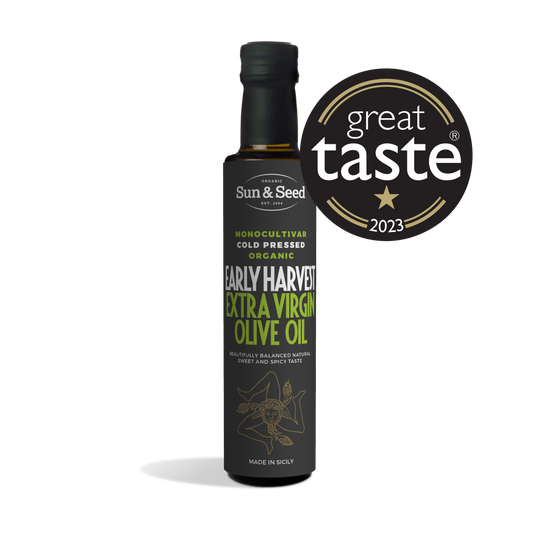
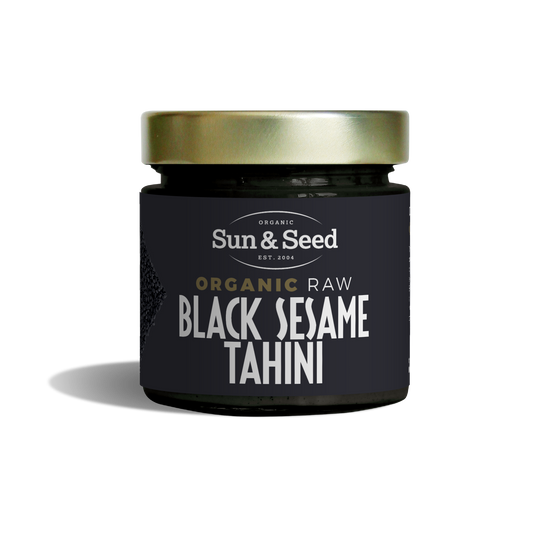
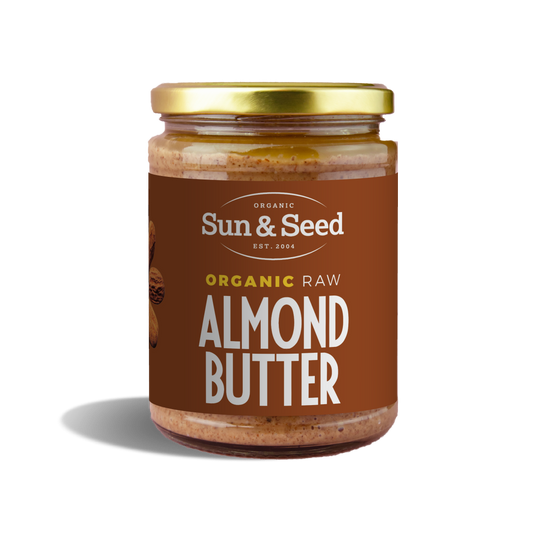
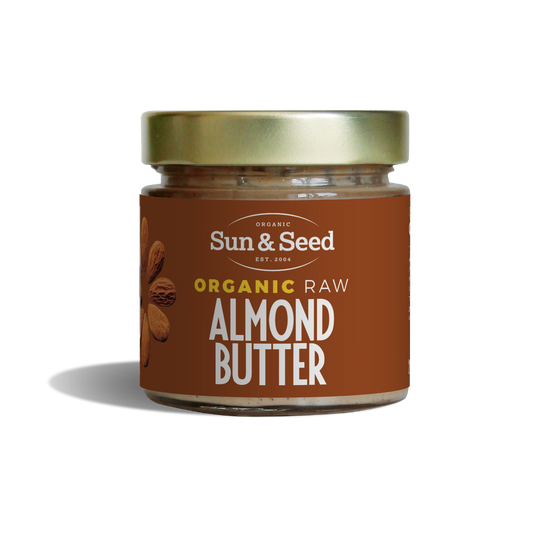
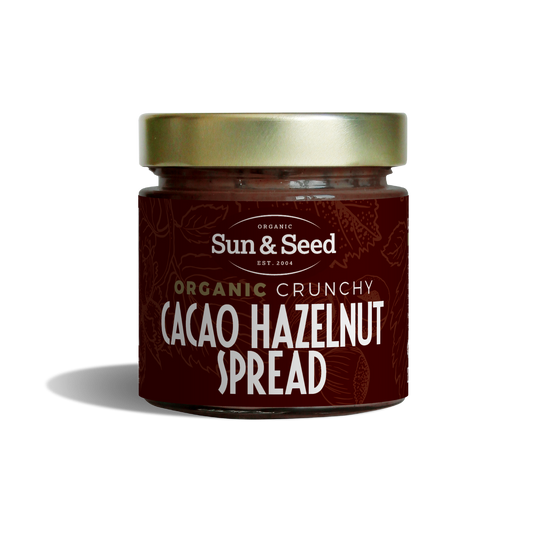
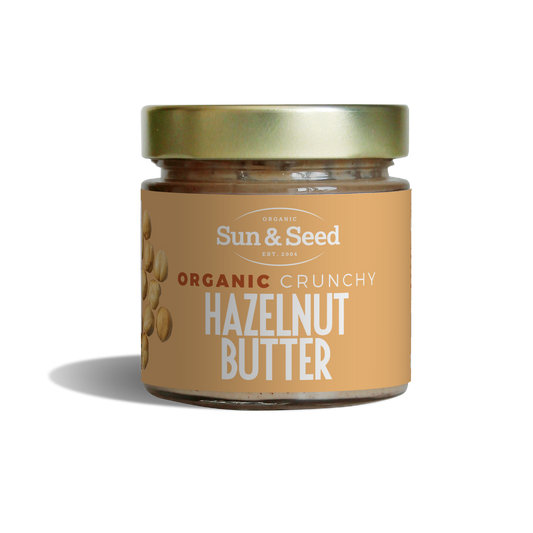
Several of our products come from the plant foods discussed here. Our early harvest extra virgin olive oil is an extra-virgin olive oil, and sesame, the seed behind our black tahini, is one of the foods known to contain lignans, as is flax in our milled flax. Nuts and seeds are also among the natural sources of vitamin E, including in our sunflower seed and almond butters, and our cacao and hazelnut spread contains cacao. As this article explains, the amounts of any of these compounds vary by batch and processing, so we make no claim about the polyphenol or antioxidant content of a particular product.
References and further reading
- National Center for Complementary and Integrative Health. Antioxidant Supplements: What You Need to Know. https://www.nccih.nih.gov/health/antioxidant-supplements-what-you-need-to-know
- Manach C, Williamson G, Morand C, Scalbert A, Rémésy C. Bioavailability and bioefficacy of polyphenols in humans. I. Review of 97 bioavailability studies. American Journal of Clinical Nutrition. 2005;81(1 Suppl):230S–242S. https://doi.org/10.1093/ajcn/81.1.230S
- Polyphenols: food sources and bioavailability. American Journal of Clinical Nutrition. https://ajcn.nutrition.org/article/S0002-9165%2822%2903914-4/fulltext
- European Food Safety Authority. Health claims. https://www.efsa.europa.eu/en/topics/topic/health-claims
- UK Government. Nutrition, health claims and supplement labelling. https://www.gov.uk/food-labelling-and-packaging/nutrition-health-claims-and-supplement-labelling
Editorial note: This is a narrative research article, not a systematic review. The strength of evidence differs across polyphenols, foods and health outcomes. This article is intended for general nutrition education, not individual medical advice.